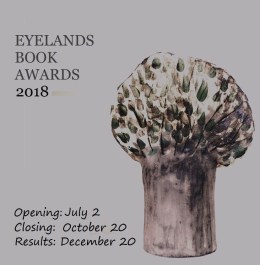
EYELANDS BOOK AWARDS
Eyelands.gr literary magazine in collaboration with Strange Days Books organize an annual international short story contest, and a flash fiction contest, the only international story contests based in Greece. Every year, writers from all the continents of the world participate in them.
The short story contest has been running continuously for the past eight years, offering hundreds of writers the opportunity to see their short story printed in one of our collections, created through the contest entries. For many of these writers it is the first time that a story of theirs is printed in a book or featured online. The jury reads all submissions blind.
The English section of the EISSC contest has been recognized as a truly reliable, fair and serious short story contest. Every year, many reputable websites, such as
https://duotrope.com/, https://www.booktrust.org.uk/, www.justacontest.com, www.londoncomedywriters.com, www.literarylightbox.com
https://www.writersandartists.co.uk/ virtualwritersinc.com,
www.prizemagic.co.uk, www.artsjobs.org.uk, https://www.inkitt.com, http://www.writermag.com, http://creativewriting.ie
http://www.zapmeta.ws, https://nothingintherulebook.com
http://www.allwritemoya.com, http://www.christopherfielden.com
http://www.writersreign.co.uk, https://ilpiacerediscrivere.it/
and many others all over the world post the announcement of our contest, which has earned its reputation year after year, by honoring all its promises, following the rules meticulously and meeting all criteria that allow a contest to gain respect and recognition on an international level.
The flash fiction contest made a very successful start this year and we are very proud of it but we try another project here, the Eyelands Book Awards
e-mail: info@eyelands.gr
Facebook: https://www.facebook.com/eyelands.portal
https://eyelandscontes.wordpress.com/
PRIZES
Grand prize (published books): Five-day holiday in Athens plus a special handmade ceramic designed especially for Eyelands Book Awards and publication (excerpts) online on our website.
Grand prize (unpublished books): Publication from Strange Days Books
Six more prizes one for each category of every section also win a a special handmade ceramic designed especially for Eyelands Book Awards
Certification document for every prize.
Final results are to be announced on December 20th 2018.
The award will be given in a special ceremony in Athens
Award Ceremony: 5th of May, 2019
Place: Polis Art café, Athens, Greece
Judges: Andriana Minou (poetry), Gregory Papadoyiannis (novels, novellas), Antonis Tsirikoudis (short stories)
Entry fee: $30
SUBMISSION GUIDELINES & DATES & DETAILS
Opening: Monday, July 2, 2018
Closing: Tuesday, October 20, 2018 at midnight PST.
Submit your book or manuscript online or via snail mail with a $30.00 entry fee
Eligible submissions include: poetry, novellas, short story collections, novels.
Multiple submissions allowed (with a separate fee for each submission).
Simultaneous submissions allowed, but please notify us if full manuscript is accepted elsewhere.
Finalists for every category to be announced on November, 20, 2018
Final results are to be announced on December, 20, 2018.
There are no restrictions regarding nationality
Participants must be 18 years old otherwise we need parents’ consent to accept the submission.
Manuscripts must be written in English.
There is no restriction about the form or style of writing. We prefer the pages to be numbered. Files should be uploaded as an MS Word document or PDF. Fill the entry form, copy and paste it in the body of your email.
Submit your manuscript to:
eyelandsmag@gmail.com [or] strangedaysbooks@gmail.com
or send your book by post to:
Chimarras 6, 74100, Rethymno, Crete, Greece
PRIZES & PUBLICITY
Section: Published books
Grand Prize: A five-day holiday in Athens plus a special handmade ceramic designed especially for Eyelands Book Awards and publication (excerpts) online on our website. Eyelands cover all accommodation costs for the award winner. Air tickets not included. The author must agree to participate in the EBA ceremony (which will be held in Athens at the time of his/her holidays) and the related publicity (interviews e.t.c.).
There will be five finalists for each category.
Three more prizes one for each category also win a special handmade ceramic designed especially for Eyelands Book Awards
Certification document for every prize.
–
Section: Unpublished books
Grand prize: Publication from Strange Days Books. Released via amazon.com (international release) & from Strange Days Books
Three more prizes one for each category also win a a special handmade ceramic designed especially for Eyelands Book Awards
There will be five finalists for each category.
Certification document for every prize.
–
For each entry, submit the book, entry form, and $30 fee (via paypal). Registration will be confirmed via email. In December, all entrants will be notified of winners. Please fill in, copy and paste the entry form in the body of your email
ENTRY FORM & PAYMENT
Pay via paypal – See the banner on this website
Click the «buy now» button. Fill the description with: EBA
Entry fee is 30.00 $
* After the payment is complete, you can send the email with your manuscript as an attachment and the entry form completed, copied and pasted in the body of your email
*An email confirmation that your entry has been received will be sent within three/four days
* We do accept simultaneous submissions
* Every writer can submit more books with the payment fee of $30 for every one of them
* Name and address of the author are to be submitted only in the body of the email
*There is no fee for the first prize winners of previous eyelands international short story contests
*Click here to download the entry form: ENTRY FORM_EBA
*All books must be published between September 20, 2016 and September 20, 2018.
ENTRY FORM (submit one entry form per book):
Book Title:
_______________________________________
Author:
_______________________________________
Category:
_______________________________________
Publisher: (for published books only)
_______________________________________
ISBN: (for published books only)
_______________________________________
Contact Information
Name:
_______________________________________
E-Mail:
_______________________________________
Phone:
_______________________________________
Address:
_______________________________________
AWARD CATEGORIES (select one per entry application):
The following are eligible:
1/Full-length books of fiction (novels or novellas)
2/ Collections of short stories by one author
3/Collected and selected poems by one author*
*any novel (up to 500 pages) or book of poetry (up to 250 pages) written by a single author is eligible
EBA follows the CLMP Contest Code of Ethics.
If you have any questions, please contact us at
eyelandsmag@gmail.com [or] info@eyelands.gr [or] strangedaysbooks@gmail.com
LINKS
www.eyelands.gr
https://eyelands.gr/english-section/
https://eyelandscontes.wordpress.com/
https://www.facebook.com/eyelands.portal/
www.strangedaysbooks.gr
www.paraxenesmeres.gr
the Judges
ANDRIANA MINOY/ POETRY
Andriana Minou is a Greek writer and musician living in London since 2004. She holds an MA in Performing Arts and a PhD in Piano Performance. Her short story collection, Underage Noirs was published in 2013 by Strange Days Books. Her second book, Dream-mine, an experimental novel in the shape of a labyrinth, was published by the same publisher in 2017 while its English version has also been published by Verbivoracious Press in a Festschrift about the Oulipo Movement. Dream-mine was recently presented in the form of a performance and installation as part of UNESCO’s Athens 2018: World Book Capital. Her work as a writer has been included in several anthologies and literary journals in Greece such as Geometry of an invisible generation (Mandragoras), codepoetry (Athens plaython), Autumn Stories and Sandgraphs (Strange Days Books), entefktirio, poetix. Her texts have also featured in literary journals in the UK and the US, such as The Paper Nautilus, rattle journal, FIVE:2:ONE, typehouse magazine and in the anthology, A six-pack of stories (Story Brewhouse). Andriana also writes librettos, song lyrics and texts for performances that have been presented around the world (Athens, Amsterdam, London, Berlin, Zurich, New York and more). She has also translated Gregory Papadoyiannis’ novel, The Baby Jazz, published by Fomite Press. In 2017 she was one of the selected writers at the Young Writers’ Festival of Thessaloniki International Book Fair. For the past four years she has co-organised Sand Festival, the only literature festival on the Greek islands.
www.andrianaminou.com
ANTONIS TSIRIKOUDIS / SHORT STORIES
ΑntonisTsirikoudis was born in the mid-seventies on World Poetry Day, but stopped writing poetry when he was twelve, devoting his creative force to prose. Short stories of his have been included in various anthologies, and in 2016 Paraxenes Meres published his first book, “When you least expect it”, a collection of 33 short and very short stories. Since then, he is focused on his first novel. He has also participated in the writing of a novel with another 11 writers, and has translated literature from English, and Spanish. Before moving to Crete, he lived in Sydney Australia, and Tallinn Estonia. He has been living in Heraklion city for the past seven years, with his partner, two dogs and a cat, teaching literature and Greek language in a high school. Any opportunity given, he travels, mostly to places he hasn’t visited before, next one being India. He has a degree in Philosophy, and an MD in Special Education. He speaks English, Spanish and reads Portuguese and Russian. When not writing and teaching, he loves cooking and entertaining. For the past four years he has co-organised Sand Festival, the only literature festival on the Greek islands.
GREGORY PAPADOYIANNIS / NOVELS
Gregory Papadoyiannis graduated from the Law and Journalism Schools, studied cinema direction and worked at newspapers, magazines, radio and television, initially as a sports editor and later as a columnist and editor. At the same time, he worked as a translator of literature books in collaboration with several publishing houses and translated books by William Faulkner, Francis Scott Fitzgerald, Jack London, Marc Twain etc. into Greek.
In 1991, he was awarded the national prize for young playwrights at the competition of the Ministry of Culture for his play The situations. He was awarded the second prize twice at the same competition, in 1995 and 1999. He has translated theatrical plays by authors such as David Mamet and Tennessee Williams for the purposes of performances in prestigious theatres of Athens. He has also worked as a director’s assistant at the National Theatre of Greece as well as the Theatre of Thessaly. He has been involved with the cinema as well; as a director of two short films that were screened in Greek film festivals and as a script-writer for feature and short films. He has also worked as a script-writer and director’s assistant in several television series.
Gregory is a co-founder, administrator and writer for the books & cinema section of the website http://www.eyelands.gr . He is the curator for the only Greece-based international short story competition, run by http://www.eyelands.gr . He also co-ordinates and leads a series of workshops on creative and collaborative writing all over Greece. After living in Athens for several years, he now lives in the island of Crete. He currently works as a translator and editor for Strange Days Books Publishing (www.strangedaysbooks.gr ) He is co-founder and has co-organised Sand Festival, from 2015 among with Andriana Minou and Antonis Tsirikoudis.
PUBLICATIONS IN GREEK
– To the Almighty, hereunto, comic album, 1988
– The situations, play, 1992
– The Philadelphus case, science fiction novelette, 1999
– Sniff, novel, 2008 (first edition: Empiria Ekdotiki (2008) third edition: Strange Days Books 2014)
– The city beyond the river, short story collection, 2011
From this collection: The short story The Whole Family won the third prize in the literary contest of the Greek online magazine “Stella’s Literary bistro” (2011) and was shortlisted at the International Annual Fish Short Story Competition. The short story The city beyond the river was shortlisted and Highly Recommended at the Tom Howard Short Story Contest (2009).
PUBLICATIONS IN ENGLISH
– 52 eyelands, a sentimental guide through the Greek islands (2013, Strange Days Books)
– Greece: The child that never grew up, short story included in Stories for our Time, an Interactive Exhibition from LibArts London (London School of Liberal Arts, 1 May – 31 July 2013)
-The city beyond the river, short story included in the anthology Future eyes of PaleHouse Magazine (2012, Los Angeles, California, http://www.palehouse.com/FE-Papadoyiann.html)
The Whole Family, short story included in Jakes Monthly anthology of Magic Realism
In the Majestic’s nest, short story published in Foxing Quarterly (2013, print-only literary and arts journal published in Austin, Texas)
– An excerpt from his novel “Sniff” was posted to the European Literature Network (June 2017) http://www.eurolitnetwork.com/authors-pitch-sniff-by-gregory-papadoyannis/
– His novel «The baby Jazz» released in USA from Fomite books in February 2017
– His comic album Ephemera/Life is short released in Greece on December, 2016. Two of the stories from the album published in Porcupine, an anthology of poetry, art, and short stories from 23 contributors across the globe, on November 2017.
papado374@gmail.com
https://gregorypapadoyiannis.wordpress.com/
–
the Artist
Costis Malousaris was born in 1972 in Athens. There he studied photolithography and graphic arts. In 1997, along with friend Margarita Leousi, they made the fanzine “walk in the Park”. From then until 2009, he did not stop writing texts, but did not consider it necessary to publish them. He worked for two years at the publishing house ‘Astir’. He was a key contributor to the literary magazine “Fortezza”. He participates as a publishing consultant in the publishing group “Strange Days”. Fifteen years ago he decided to live in Rethymno, Crete. A series of unrelated at first glance events, people and situations led him to earn his living through creating and selling of ceramic objects.
He studied for more than two years next to the pottery makers Giorgos and Natassa Vardaxi in Rethymnon, who taught him a lot but mainly to dare to become a “self-taught”, to experiment with techniques, search for his own ways and not to be afraid to narrate stories he wanted to tell using instead of words his own hand-made ceramics .
He manufactures objects mainly from stoneware clay and combines clay, oxides, paint and glass techniques to create pleasant, face-to-face, use-and-touch objects. The electric furnace and the high temperatures allow for results that he likes to call space therapy objects, always with the challenge of being able to do what inspires you your imagination within the strict discipline required by pottery art.
-/
the Trees
With Kafka’s “Art needs craft more than craft needs art” as a basic principle, I strive to find the balance between pleasure and the therapeutic quality of making, creating objects and the additional achievement of making a living and acquiring recognition through it.
Everyday objects and familiar forms giving the sense of security and familiarity offer a chance for me to present my perspective, my emotion, even my compulsion accompanying the merchant’s and artist’s worries.
Trees, a symbol of power and tranquillity, of a life intense yet discreet, have always been a reference point in my journeys, real and mental – spiritual and material. Especially the olive tree, the most prominent tree of Crete, a symbol of the struggle for endurance as well as prosperity in Cretan culture, has been a source of inspiration and a bright spot. I therefore consider trees and the olive tree in particular, a symbol equal to an author’s endeavour, inspiration and labour.
Costis Malousaris

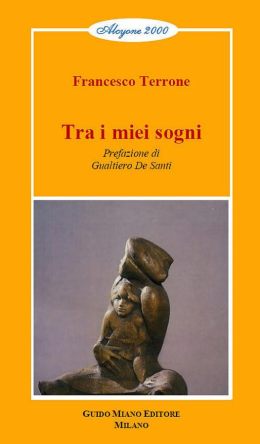 Il titolo della silloge di Francesco Terrone, Tra i miei sogni (Miano Editore, Milano, 2018), è un sintagma emblematico che racchiude in sé l’essenza semantica della raccolta: un amore travolgente per una donna che non corrisponde alla passione del poeta, di conseguenza non restano che i sogni: “Ti sento, ti cullo, ti vedo/ tra i filari di grano/ ed alberi fioriti./ Ti vedo tra i miei sogni”( in “Ti cullo, ti vedo”, pag. 75), pur nella costante consapevolezza del loro svanire, della non corrispondenza nella realtà, ove solitudine e amarezza dominano incontrastate, anche se non esita a sperare che lei un giorno acquisisca almeno consapevolezza del male che gli ha fatto: “Capirai un giorno/ il male che/ mi hai fatto” ( in “Corteccia d’amore”, pag. 23).


 Lucia Bonanni è nata ad Avezzano (AQ) nel 1951. Dopo aver conseguito il diploma di Maturità Magistrale, si è dedica all’insegnamento e successivamente si è trasferita in un paese del Mugello, in provincia di Firenze, dove tutt’ora risiede. È autrice di poesia, narrativa, critica letteraria, e saggistica con all’attivo numerose pubblicazioni di articoli, racconti, saggi e raccolte di poesie oltre a recensioni e prefazioni per testi poetici e narrativi di autori contemporanei. In volume ha pubblicato le sillogi Cerco l’infinito e Il messaggio di un sogno, oltre a un cospicuo numero di testi poetici in antologie, raccolte tematiche e riviste di cultura e letteratura online e cartacee. Dal 2018 è redattrice per la rivista di letteratura online “Euterpe” nella sezione di saggistica “Ermeneusi”. Ha svolto e svolge il ruolo di giurata in commissioni di concorsi letterari nazionali. Quale partecipante è risultata più volte finalista, menzionata e vincitrice in premi letterari nazionali e internazionali, tra di questi il 1° premio alla VI edizione del Premio Nazionale di Poesia “L’arte in versi” di Jesi con un saggio dedicato ai Canti orfici e altri scritti di Dino Campana. Ha seguito corsi di fotografia e si dedica anche al linguaggio fotografico quale complemento dell’arte letteraria.
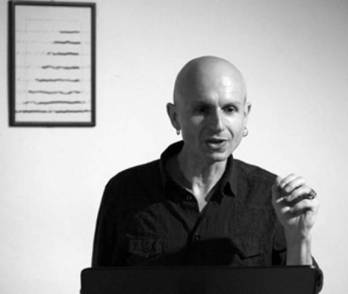 Massimiliano Chiamenti nacque a Firenze nel 1967. Amante della poesia, traduttore e dantista molto apprezzato, pubblicò il saggio Dante Alighieri Traduttore (Le Lettere, 1995) e curò l’edizione Comentum super poema Comedie Dantis (Arizona Center for Medieval and Renaissance American Studies, 2002). Noto per lo più come poeta performativo e cantante (due cd pubblicati, Emme e Storyboard 1999 rispettivamente nel 1998 e 1999), fece parte della vita culturale degli ambienti underground della Firenze degli anni ’80 e ‘90 per spostarsi poi a Bologna. Stimato da autori quali Lawrence Ferlinghetti (col quale collaborò), Mariella Bettarini, Novella Torregiani, Massimo Acciai e Marco Simonelli; nel 1995 Edoardo Sanguineti gli consegnò il Premio “Città di Corciano”. Numerose le opere poetiche tra le quali Telescream (Cultura Duemila Editrice, 1993), alla quale seguirono User-friendly (David Seagull, 1995, x/7 (Dadamedia, 1996), p’t (post)(Gazebo, 1997), Schedule (City Lights Italia, 1998), Maximilien (City Lights Italia, 2000), le varie edizioni de le teknostorie (Edizioni Segreti di Pulcinella, 2003; Zona, 2005); free love (Giraldi, 2008), Adel &c (Fermenti, 2009), Paperback writer (Gattogrigio, 2009), evvivalamorte (Le Cariti, 2010), egiemme (Polìmata, 2011) e la raccolta di racconti Scherzi? (Giraldi, 2009). Nel capoluogo emiliano, complice una vita dissoluta e la condizione di sieropositivo, commise il suicidio nel settembre del 2011. La sua ultima opera, Di/e con Daniele, composta da 33 canti, venne inviata in pdf a mezzo mail agli amici più stretti poco prima di morire e rimane a tutt’oggi inedita ad eccezione di qualche brano pubblicato in rete da qualche suo amico.


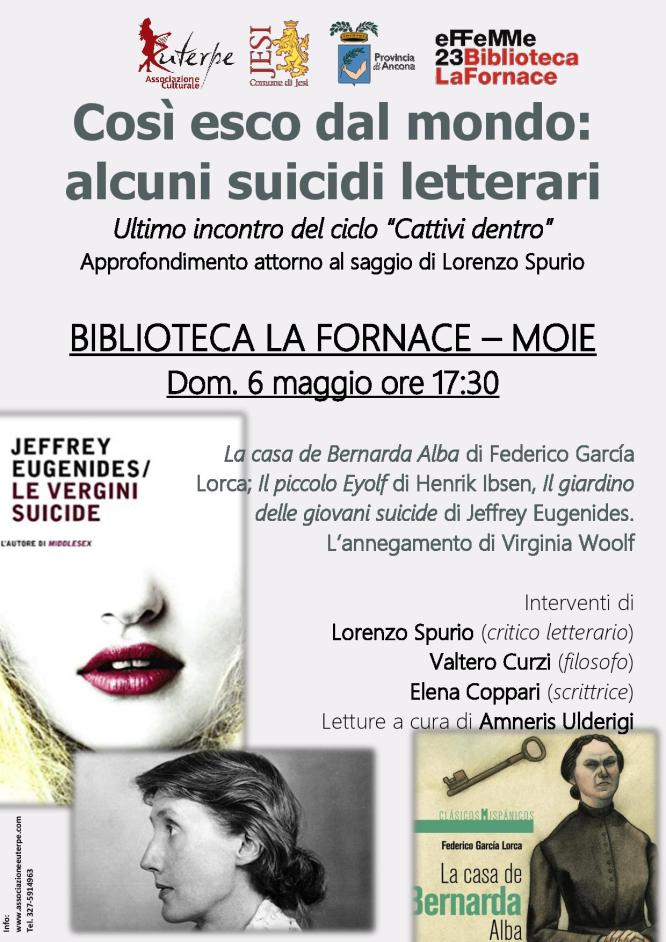
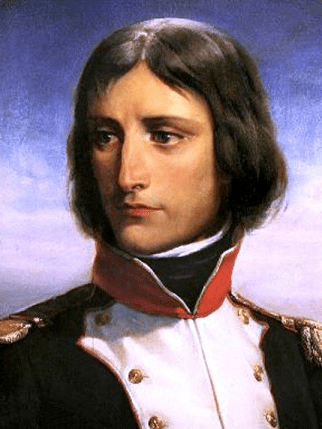 Valtero Curzi, poeta e scrittore senigalliese, è anche valido saggista. Ne ha dato prova, negli ultimi anni, con una serie di testi investigativi, d’approfondimento e con sue dissertazioni prettamente di carattere filosofico che, più che dare una spiegazione unica, aprono a interpretazioni. Autore di sillogi poetiche e di un romanzo epistolare, nonché di un sagace e curioso libro dal titolo quasi avanguardistico, L’omino delle foglie sulla via del Tao (Le Mezzelane, 2017), ha recentemente pubblicato un saggio su Napoleone Bonaparte. Il volume, dal titolo Il giovane imperatore, è edito dalla casa editrice umbra Intermedia Edizioni e si apre con un sottotitolo che delimita l’immensa materia sull’Imperatore che ha inteso trattare, vale a dire il periodo storico e la sensibilità che si stagliano “tra lo Sturm und Drang e il Romanticismo”.
 Proprio il secondo capitolo, “Il “Piccolo còrso” e il Werther di Goethe: il sentimento d’amore” risulta rimarchevole all’interno di questa originale trattazione, lontana da intenti accademici o dimostrativi, semmai nutrita dalla volontà di fare un consuntivo, pur precario e labile come tutti i consuntivi, per arrivare a una “considerazione di possibilità”, rifiutando steccati dove serrare certezze che potrebbero dimostrare una tesi farraginosa. Curzi rivela che tra Napoleone e Goethe (e lo dimostra) esistono “assonanze sia emozionali sia interpretative del vissuto” (75) nella fattispecie tra Napoleone giovane e il Werther, creazione di Goethe. Primo tra tutti è l’incontro tra Eros e Thánatos che nel Werther porterà all’assunzione della decisione ultima in un acme di drammaticità che il fatalismo non può derogare in nessuna maniera. Una nota va aperta sul tema del suicidio in letteratura che, da sempre, dall’alba dei tempi, è amplissimo e trova riferimenti e occorrenze in testi di ogni tradizione. Curzi fa riferimento all’operazione di emulazione del suicidio che si verificò l’indomani della pubblicazione del Werther con numerosissimi casi di ragazzi che si suicidavano per i propri drammi intimi, sia amorosi che non, trovando in quel gesto reso esemplare dalla narrativa dotta di un intellettuale di tal livello, un viatico plausibile e dunque percorribile.
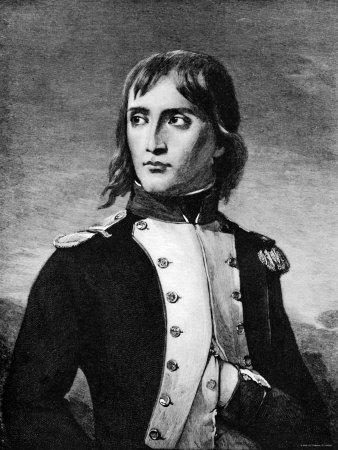 Così come Curzi è ben riuscito a tratteggiare nel legame in qualche modo di corrispondenze tra la Illuminismo e Romanticismo, lo stesso Napoleone spaccò gli intellettuali: “Madame de Staël, la donna più intelligente dell’epoca, che dapprima fu affascinata da Napoleone, poi lo odiò ferocemente. E interessanti sono gli itinerari di Monti e di Foscolo: i nostri poeti fecero varie giravolte e ribaltoni, di volta in volta adulando o esecrando il protagonista della storia. […] C’erano da una parte gli idéologues, rimasti fedeli al pensiero illuminista e tuttavia attratti dal progetto napoleonico. Dall’altra l’orientamento politico del console guerriero e dei suoi più diretti collaboratori. Orientamento sempre più fortemente anti-illuministico e antiliberale. […] Gran parte credettero nel Bonaparte illuminista, rivoluzionario, democratico e liberale; poi si pentirono, perché si accorsero che era tutt’altro. […] I colti idéologues si erano convinti che Napoleone sarebbe stato l’equivalente europeo di George Washington. Il generale, “spada della Rivoluzione americana”, divenuto presidente degli Stati Uniti, non aveva voluto farsi dittatore. Era stato un onesto e un democratico e aveva ottemperato alla Costituzione che si era data il suo popolo. Gli ideologi francesi credevano in buona fede che Napoleone si sarebbe comportato allo stesso modo. […] Non andò così: Bonaparte si trasformò in tiranno e gli intellettuali si ersero a oppositori. […] Fu un’epoca di transizione – tra Rivoluzione, Consolato e Impero”.
 In secondo luogo è anche vero che l’età post-industriale, la stagione dell’omissione dell’io, la scrittura vive fuori dal genere e i generi in sé si sono amalgamati in una
 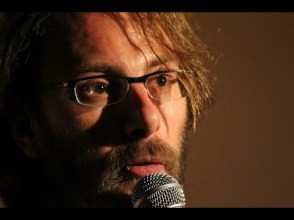 Iuri Lombardi (Firenze, 1979), poeta, scrittore, saggista, drammaturgo. Ha pubblicato per la narrativa i romanzi: Briganti e Saltimbanchi, Contando i nostri passi, La sensualità dell’erba, Il cristo disubbidiente, Mezzogiorno di luna. Per la Poesia: La Somma dei giorni, Black out, Il condominio impossibile, Lo zoo di Gioele, La religione del corpo. Per la saggistica: L’apostolo dell’eresia. Per il teatro: La spogliazione, Soqquadro. Vive a Firenze. Dopo essere stato editore, approda con altri compagni nella fondazione di Yawp – l’urlo barbarico.


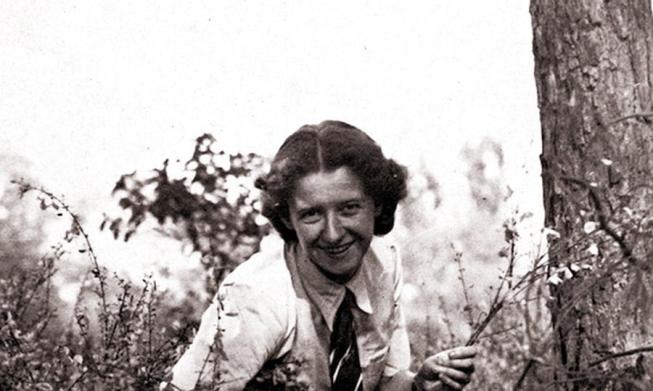
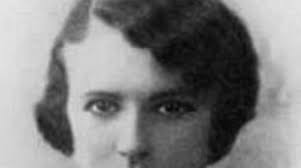
 La caratteristica di questo volume è quella di accompagnare il lettore in un percorso umano, che è appunto quello della Pozzi, con precisione e grande rispetto delle vicende altrui. Gli apparati grafici e iconici che sono stati impiegati (opera dell’artista udinese Pia Valentinis) si delineano come pregnanti e insostituibili in un progetto che risulta essere lodevole – come già accennato – non solo per i contenuti – densi e nevralgici – ma per la cura editoriale, degli inserti, dei disegni, della composizione dei capitoli e di ogni minuzia che è studiata ad arte per compendiare al meglio un progetto che è vivo, multidisciplinare, interattivo e, pertanto, assai coinvolgente.



 Blog Letteratura e Cultura